Muscat has been a significant port city for over 2,000 years, serving as a crucial trading hub between the East and West. The city's strategic location on the Arabian Sea made it a prized possession for various empires throughout history.
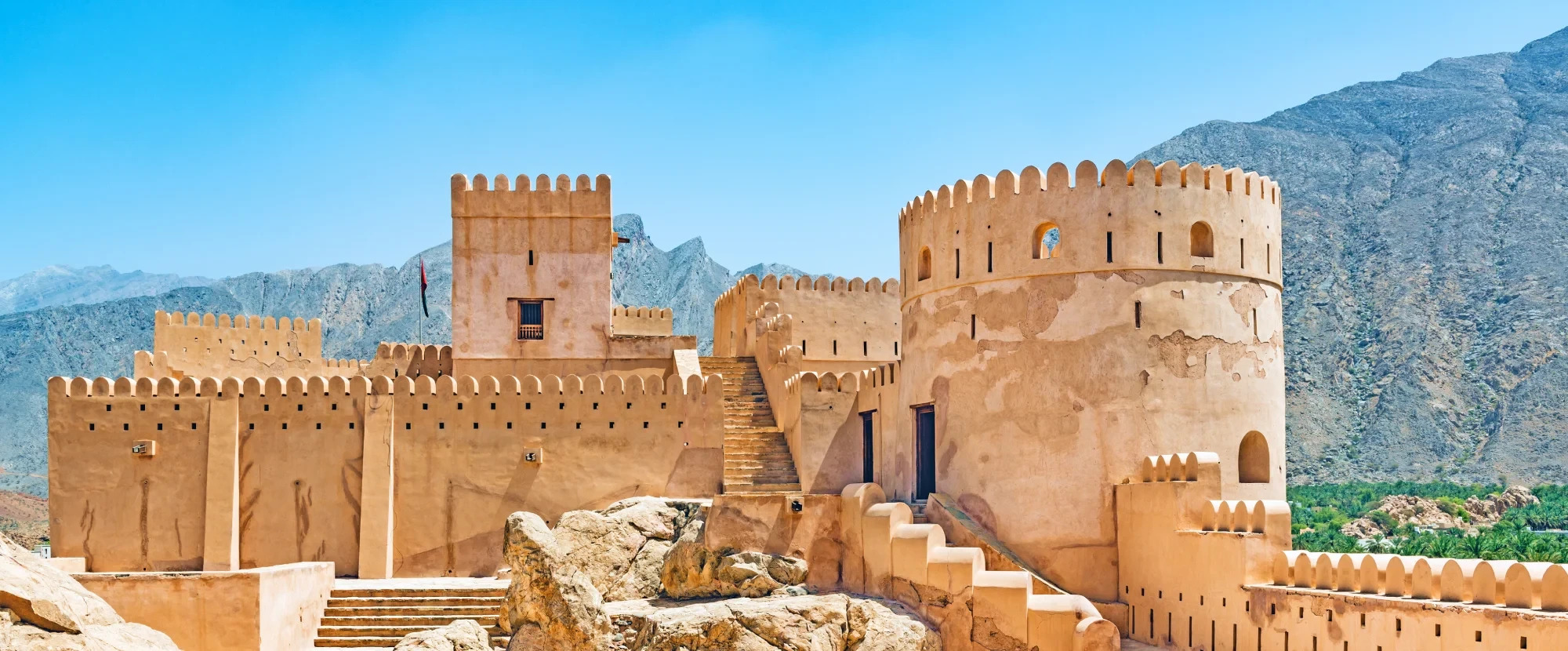
In the 16th century, Muscat came under Portuguese control, and their influence can still be seen in the architecture of some forts and buildings. The Portuguese were eventually expelled in the 17th century, and Muscat became the capital of the Omani Empire, which at its height controlled territories from East Africa to the Persian Gulf.
Under the leadership of Sultan Qaboos bin Said, who ruled from 1970 to 2020, Muscat underwent a remarkable transformation. The city modernized while preserving its cultural heritage, becoming the beautiful, well-planned capital it is today.