Food & Culture
Taste the Flavors and Traditions of Oman
Traditional Omani Cuisine
Omani cuisine reflects the country's rich trading history, blending flavors from Arabia, India, Persia, and East Africa. The food is known for its aromatic spices, fresh ingredients, and generous use of dates, fish, and rice.
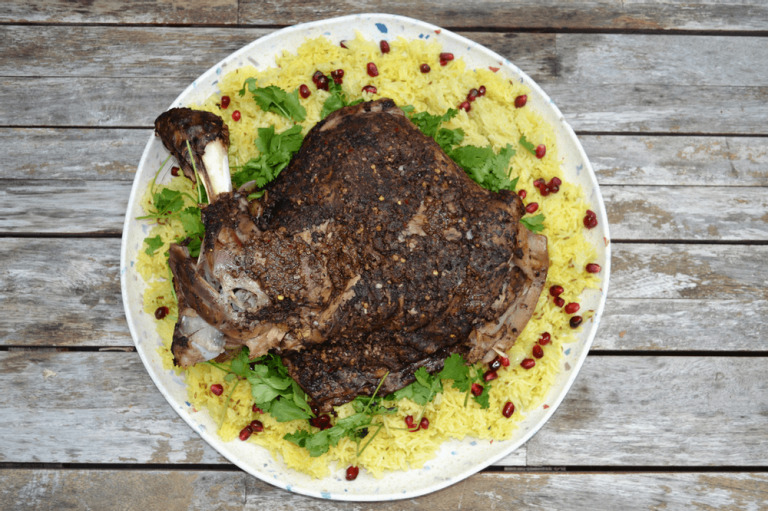
Shuwa
Shuwa is one of Oman's most celebrated dishes, traditionally prepared for special occasions. Marinated meat (usually lamb or goat) is wrapped in banana or palm leaves and slow-cooked in an underground sand oven for up to 48 hours. The result is incredibly tender, flavorful meat that falls off the bone.
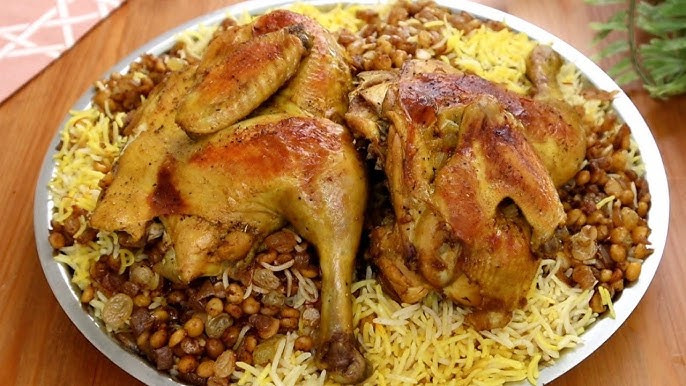
Majboos
Similar to biryani, majboos is a fragrant rice dish cooked with meat (chicken, lamb, or fish), onions, and a blend of spices including cardamom, cinnamon, and turmeric. The dish is often garnished with fried onions, raisins, and nuts, creating a rich and satisfying meal.
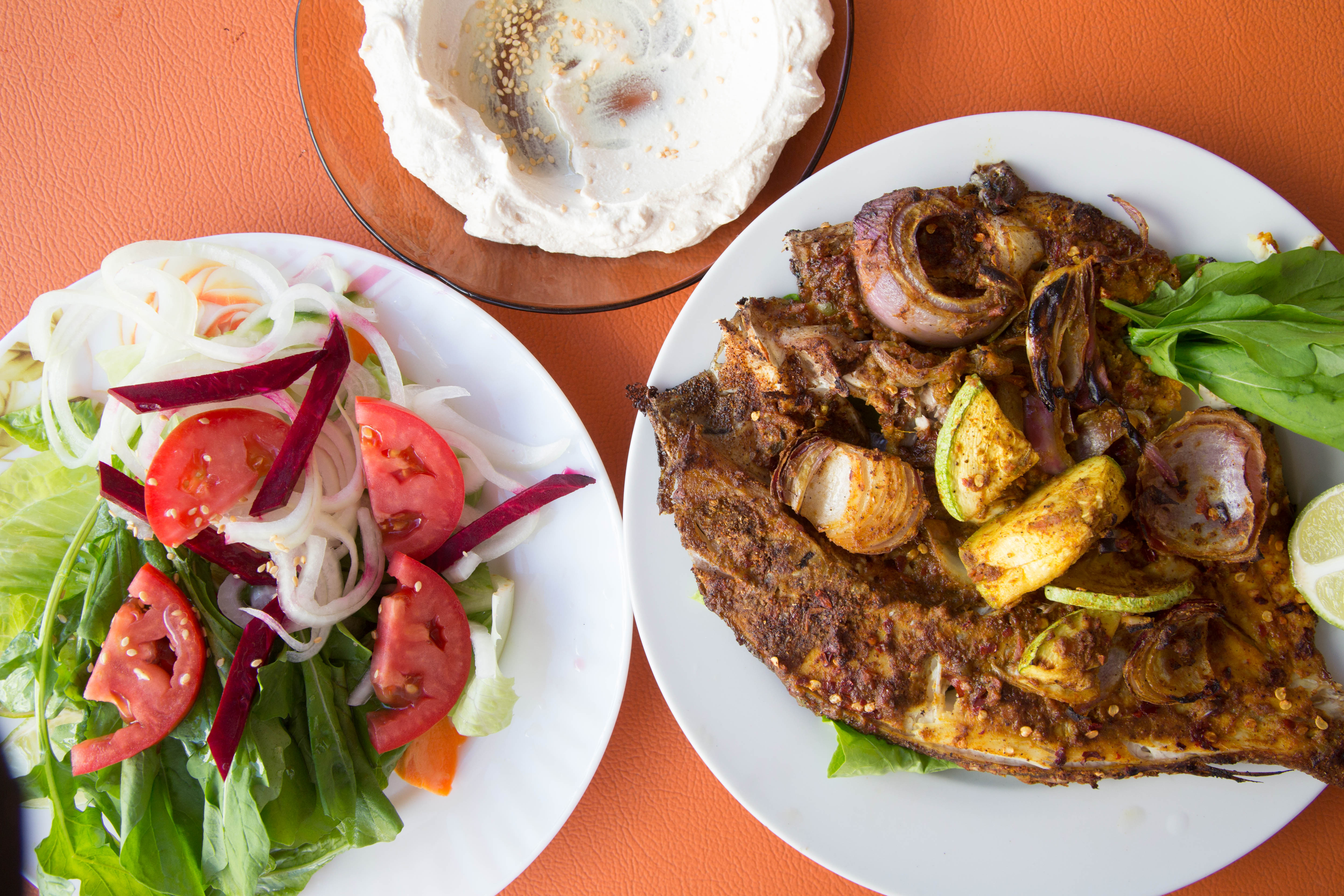
Grilled Fish
Given Oman's extensive coastline, fresh fish is a staple of Omani cuisine. Fish is typically marinated with spices, lemon, and garlic, then grilled over charcoal. Popular varieties include hamour, kingfish, and tuna, often served with rice and a side of fresh salad.
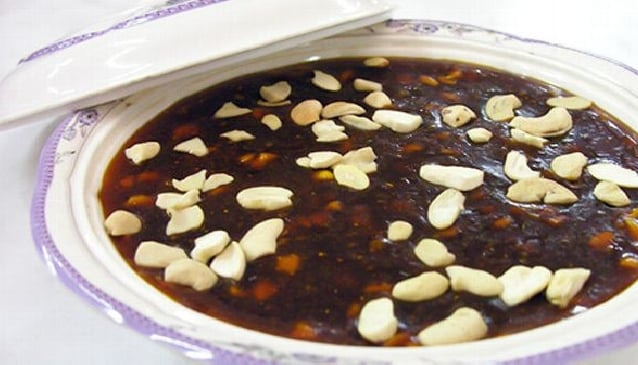
Omani Halwa
This traditional sweet is a sticky, gelatinous dessert made from sugar, rosewater, cardamom, and ghee. Omani halwa is often served with Arabic coffee and is a symbol of hospitality. It comes in various flavors and is typically eaten with a spoon or small pieces of bread.
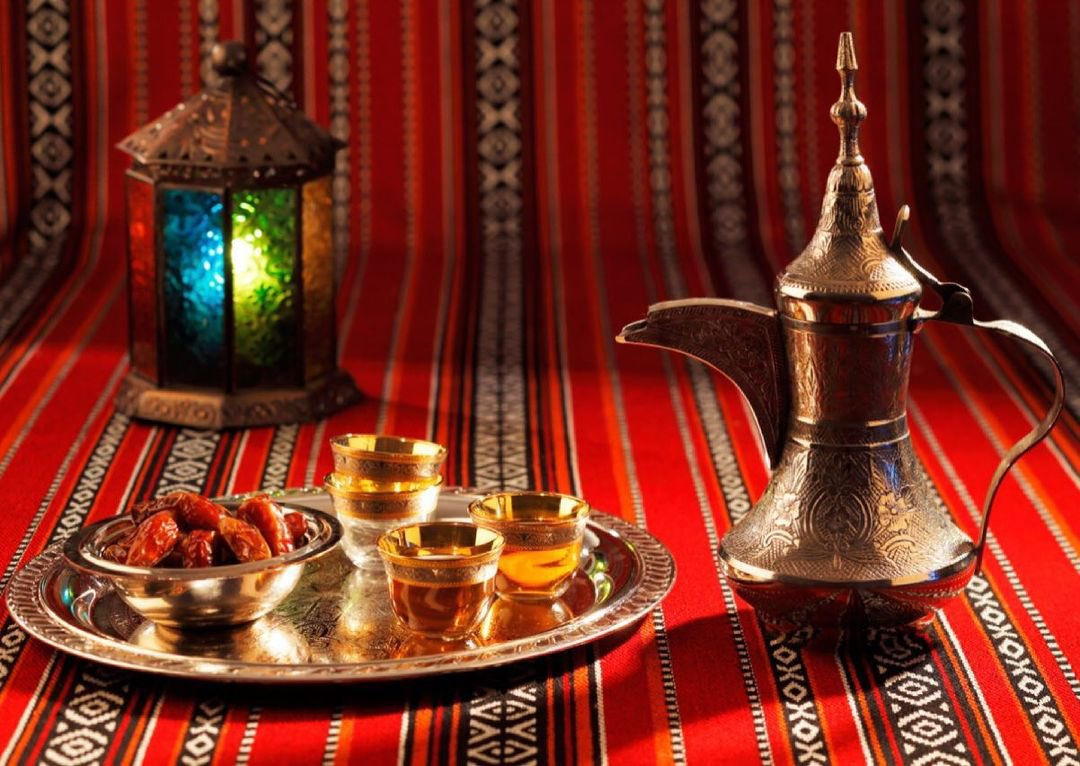
Kahwa (Omani Coffee)
Kahwa is more than just coffee in Oman—it's a symbol of hospitality and tradition. The coffee is lightly roasted and flavored with cardamom, often served with dates. The preparation and serving of kahwa is a ritual that demonstrates Omani hospitality and respect for guests.
Traditional Festivals and Celebrations
Eid Al Fitr and Eid Al Adha
These are the two most important religious festivals in Oman. Eid Al Fitr marks the end of Ramadan, while Eid Al Adha commemorates the willingness of Ibrahim to sacrifice his son. Both festivals are celebrated with prayers, feasting, gift-giving, and visiting family and friends. Traditional foods like shuwa and halwa are prepared, and the streets come alive with celebrations.
National Day (November 18)
Oman's National Day celebrates the country's independence and the birthday of the late Sultan Qaboos. The celebration includes parades, traditional music and dance performances, fireworks, and displays of Omani culture. Buildings and streets are decorated with the national flag, and the entire country participates in the festivities.
Muscat Festival
Held annually, the Muscat Festival is a month-long celebration of Omani culture, heritage, and arts. The festival features traditional crafts, music performances, food stalls, camel races, and cultural exhibitions. It's an excellent opportunity for visitors to experience the richness of Omani culture in one place.
Khareef Festival (Salalah)
While technically in Salalah, this festival is worth mentioning as it's one of Oman's most unique celebrations. The Khareef (monsoon) season transforms the region into a green paradise, and the festival celebrates this natural phenomenon with cultural events, traditional performances, and local products.
Cultural Practices
Hospitality
Omani hospitality is legendary. Visitors are always welcomed with kahwa (coffee) and dates, and it's considered impolite to refuse. The tradition of welcoming guests is deeply ingrained in Omani culture and reflects the values of generosity and respect.
Traditional Dress
Traditional Omani dress is still commonly worn. Men wear the dishdasha (long white robe) with a kumma (embroidered cap) or massar (turban). Women wear colorful dresses, often with intricate embroidery, and may cover their hair with a shayla. The khanjar (curved dagger) is an important cultural symbol for men.
Music and Dance
Traditional Omani music features instruments like the oud (lute), rebaba (fiddle), and various drums. The Al-Azi is a traditional form of poetry recitation performed during celebrations. Traditional dances often involve group performances with rhythmic movements and clapping.
Frankincense
Oman is famous for producing high-quality frankincense, which has been traded for thousands of years. The aromatic resin is used in religious ceremonies, traditional medicine, and as a natural air freshener. Visitors can purchase frankincense at souqs throughout Muscat.